
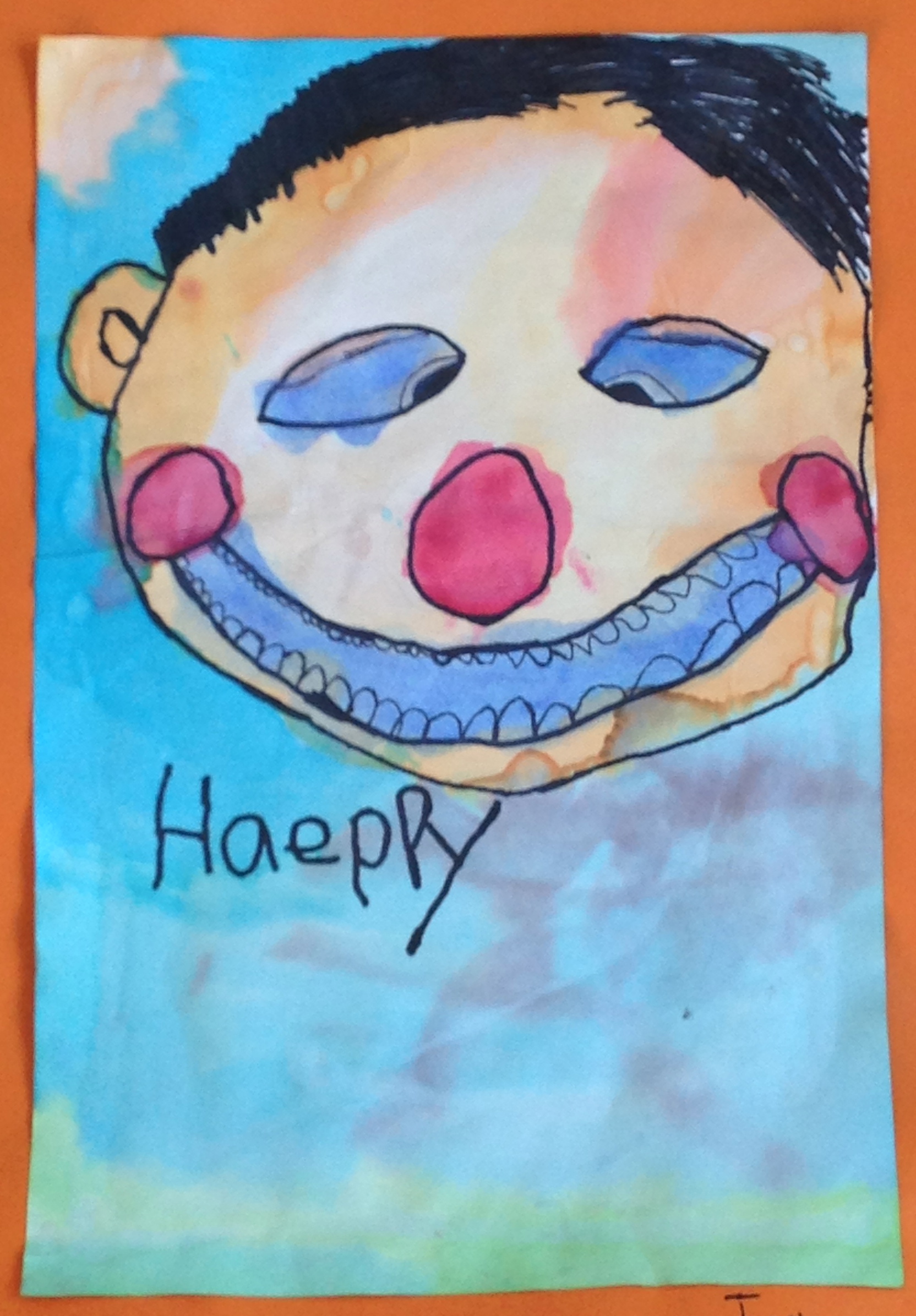
We regularly ask people how they’re doing and, on occasion, we’re genuinely available for their response. There are also many times when “How are you?” is more of a social gesture, a brief acknowledgment as we pass by, but we’re not really available to stick around for the whole story. We accept a quick “I’m fine. How are you?” before changing the topic or continuing on our way. Quite frequently, we’re so busy moving from one thing to the next that we can’t recall the last time we checked in with ourselves.
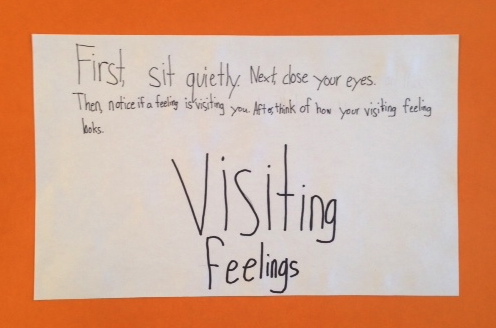
I invite you to take a few minutes to follow these simple steps written by one of my first grade students. Not only did she reflect upon what she’s practiced in our class, she went through the writing process to plan and sequence the steps she feels are most important to teach. Last week, she led our entire first grade class through the practice of sitting, breathing, noticing and naming their visiting feelings while I enjoyed being a participant.
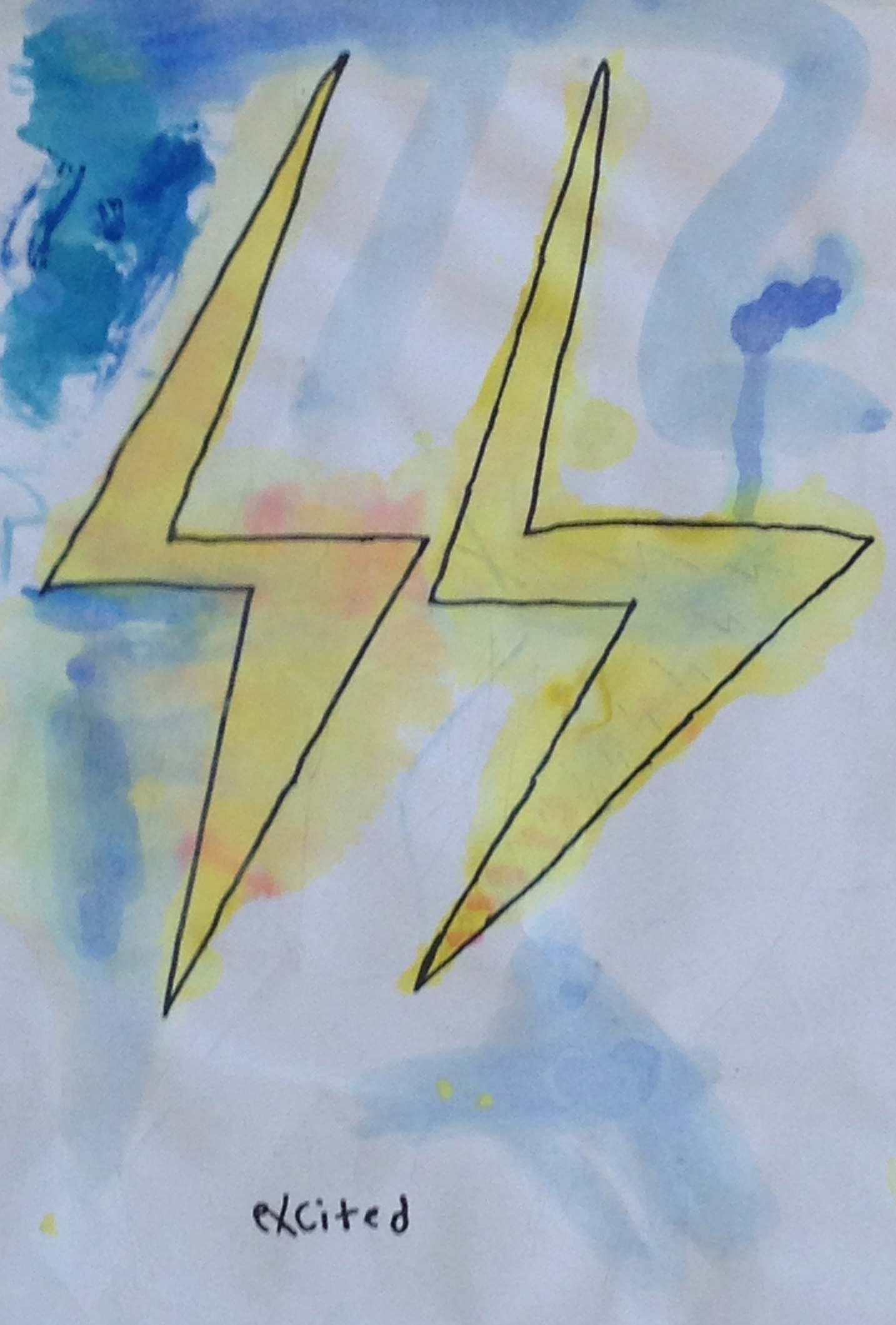
It warms my heart to see children at ages 6-7 learning how to investigate and befriend their inner world of emotions, develop a language to describe how they’re feeling, and start to recognize that feelings come and go. This practice also supports us in noticing when we’re caught up in strong emotions and acting out. It invites us to slow down, allowing our body and mind to settle, so we can more skillfully respond rather than react.
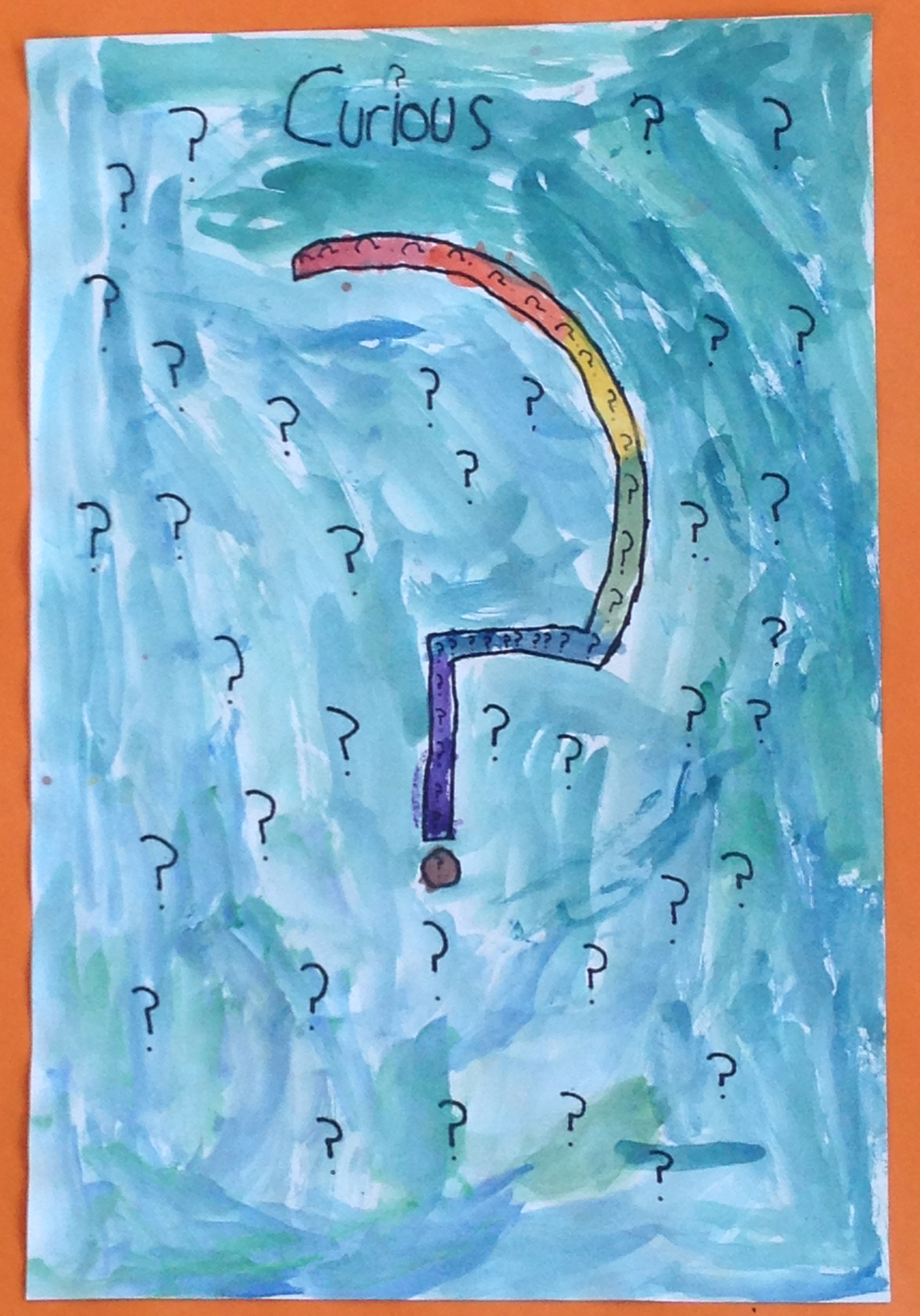
*As a follow-up to our practice, we sketched and painted our visiting emotions. We have a chart on the wall in our classroom named “Our Visiting Feelings”. When a new emotion comes to visit we add it to the list. I also recommend reading Visiting Feelings by Lauren Rubenstein. This book invites children to investigate all types of human emotions in an objective and creative way.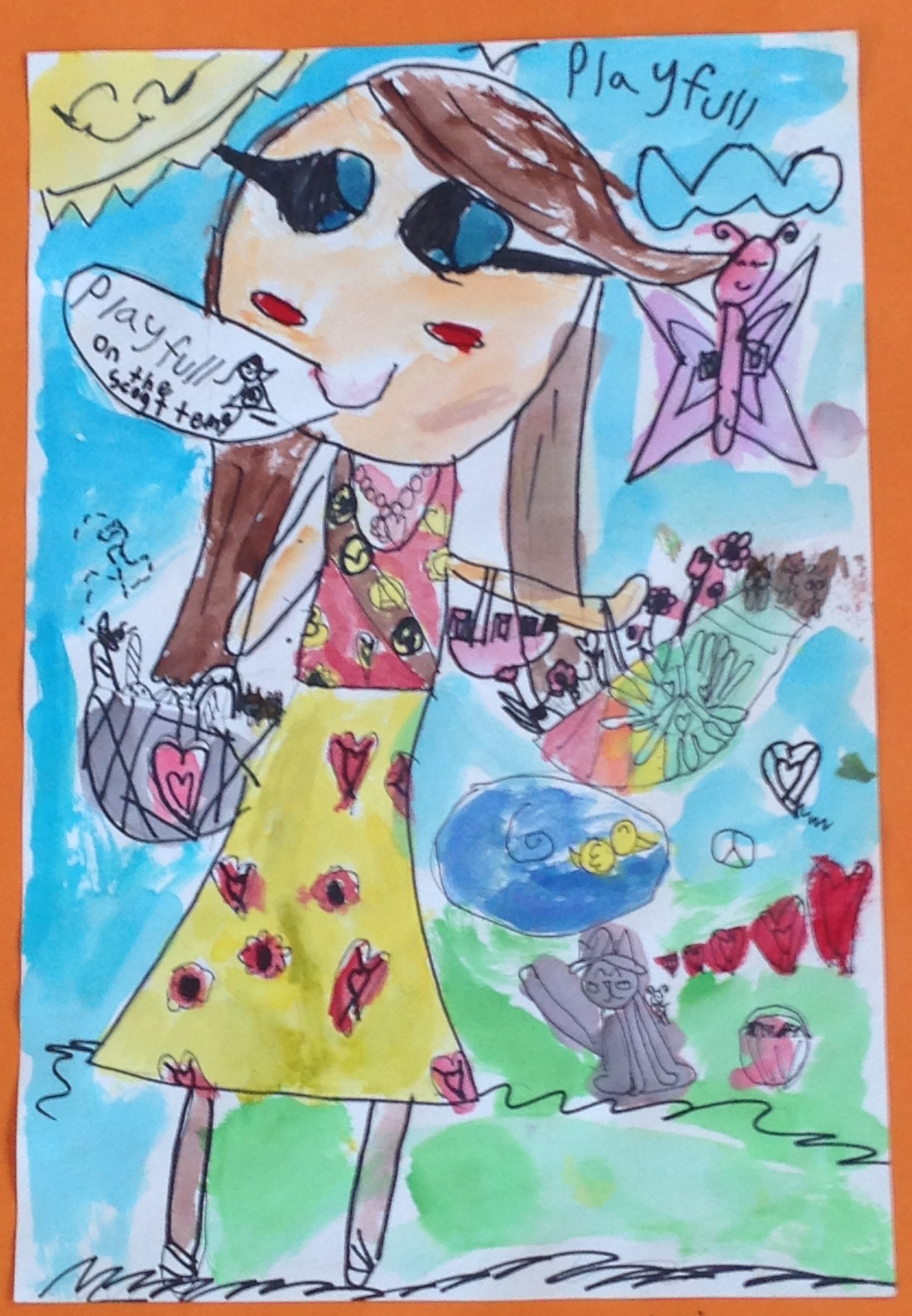
xo
 Connecting With Heart